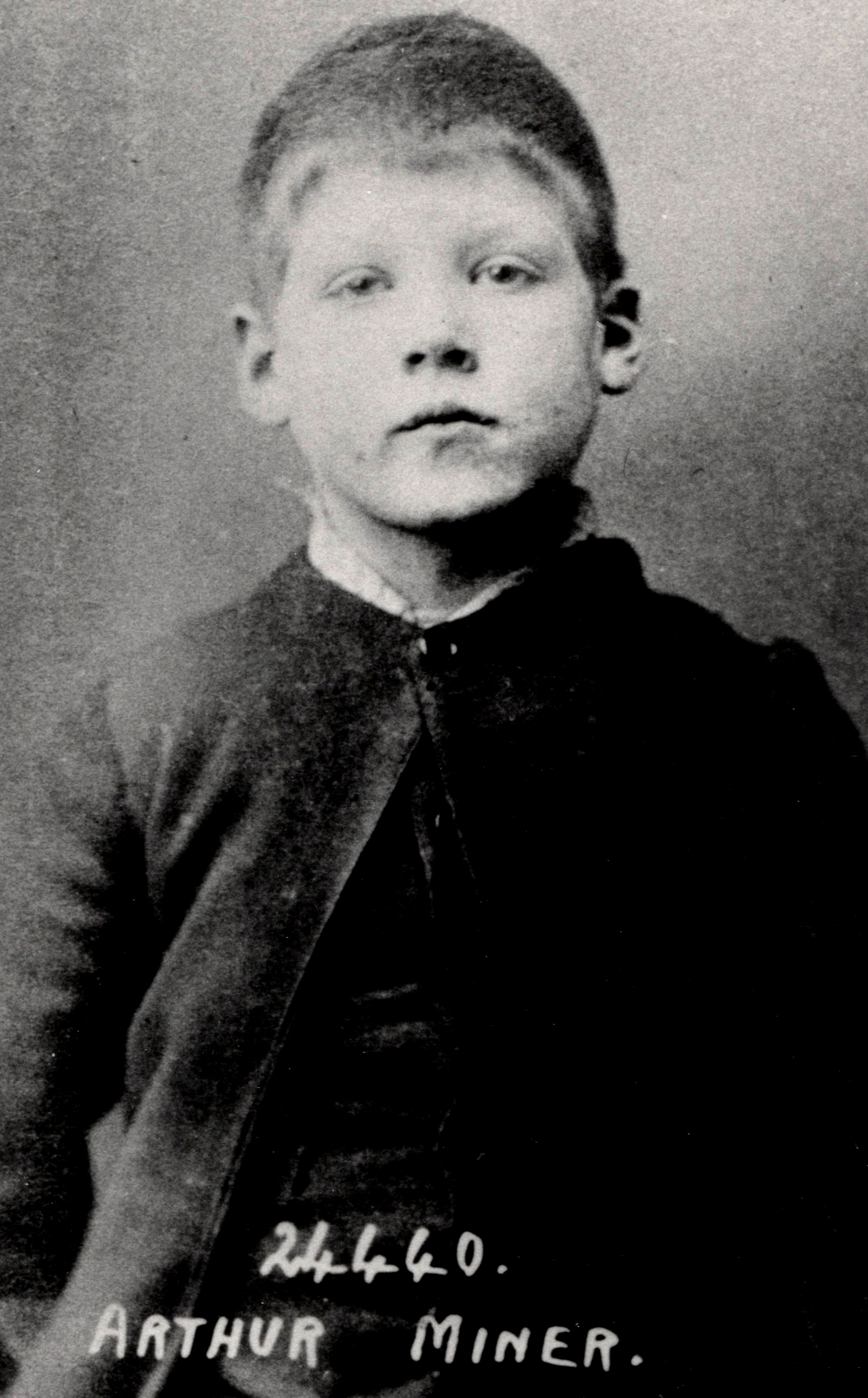
Grandpa's Story
My grandfather, Arthur, came to Canada from Bath, England in 1903 as part of the British Home Children program. He was just 11 years old, sent overseas with his younger brother, George, after their father, Solomon, died at age 25. They weren't exactly orphans as they had a sister, Frances, who stayed behind with their mother, but for all practical purposes, they were on their own.
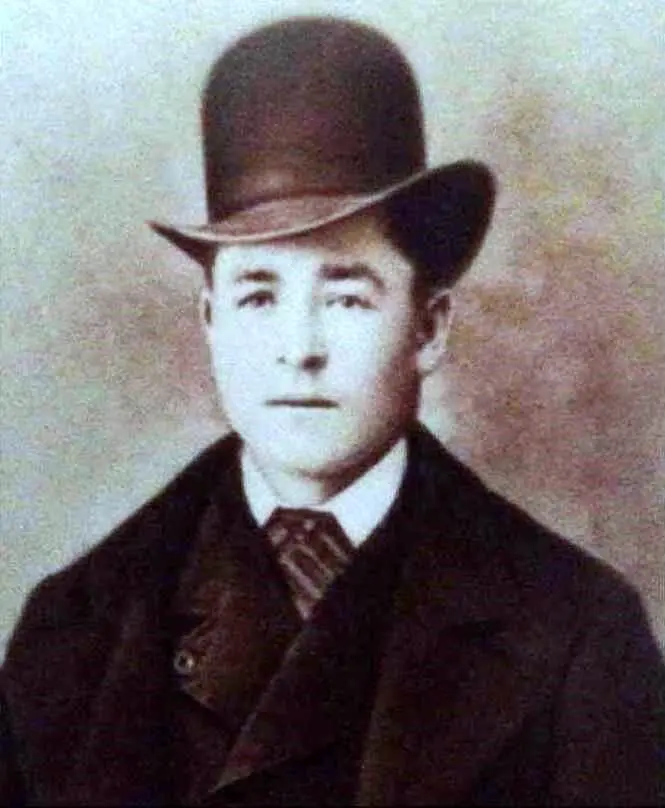
Solomon Miner, my great Grandfather
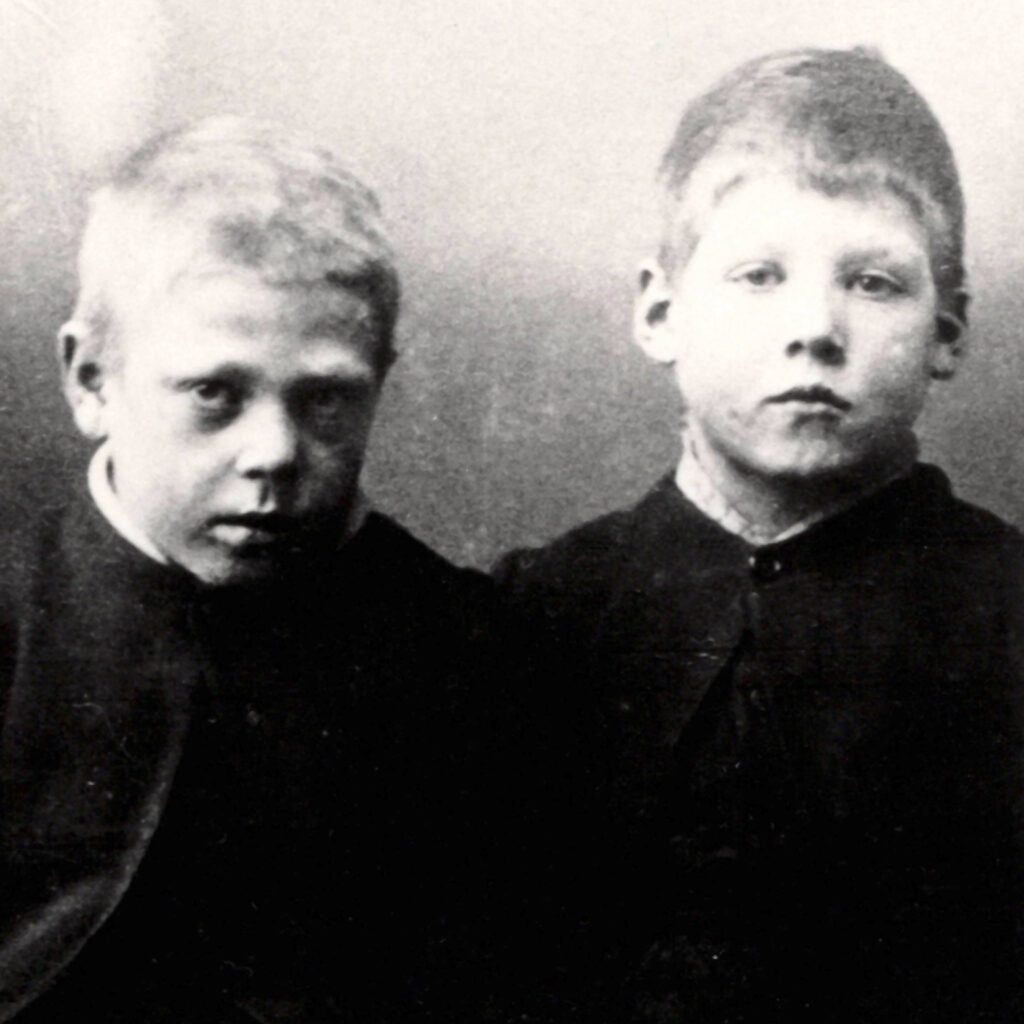
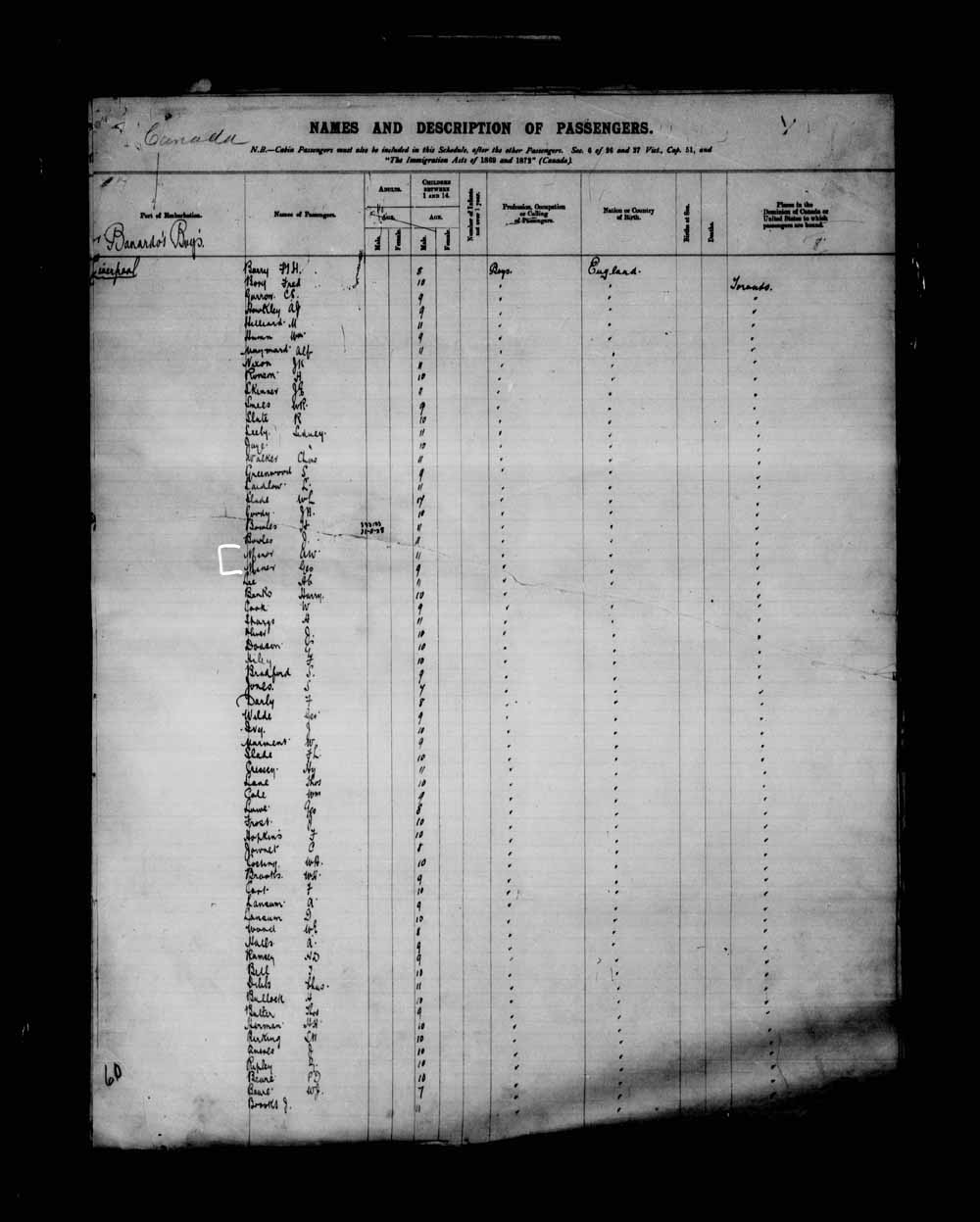
1903 Passenger manifest listing Arthur & George aboard the SS Canada going to Halifax
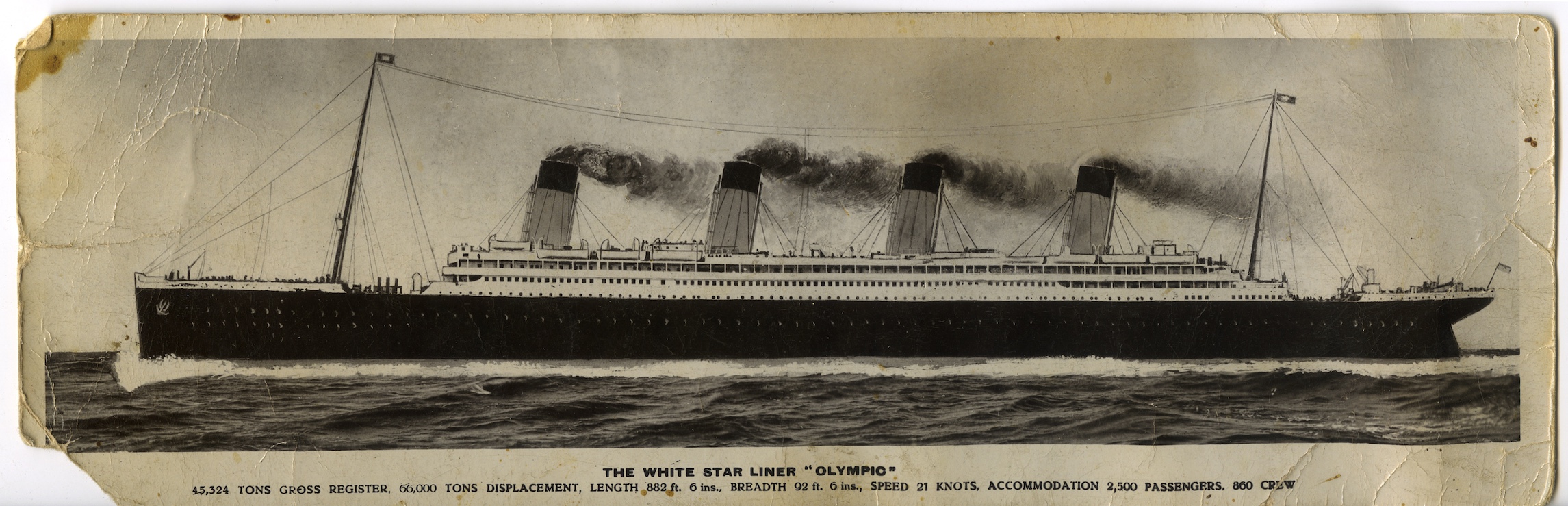
The S.S. Canada
They were children, brothers, the only family they had in this new land. They were separated on arrival at Halifax, indentured and uprooted, shipped across the ocean to a country they didn’t know, to work on farms for families they didn't choose. The brothers wouldn't see each other again until they were well into their teens. This wasn't a journey of hope or ambition. It was survival. Still, my grandfather grew proud of the country he was sent to. He served in the First World War with the Canadian Expeditionary Force, later known as the PPCLI (Princess Patricia's Canadian Light Infantry).
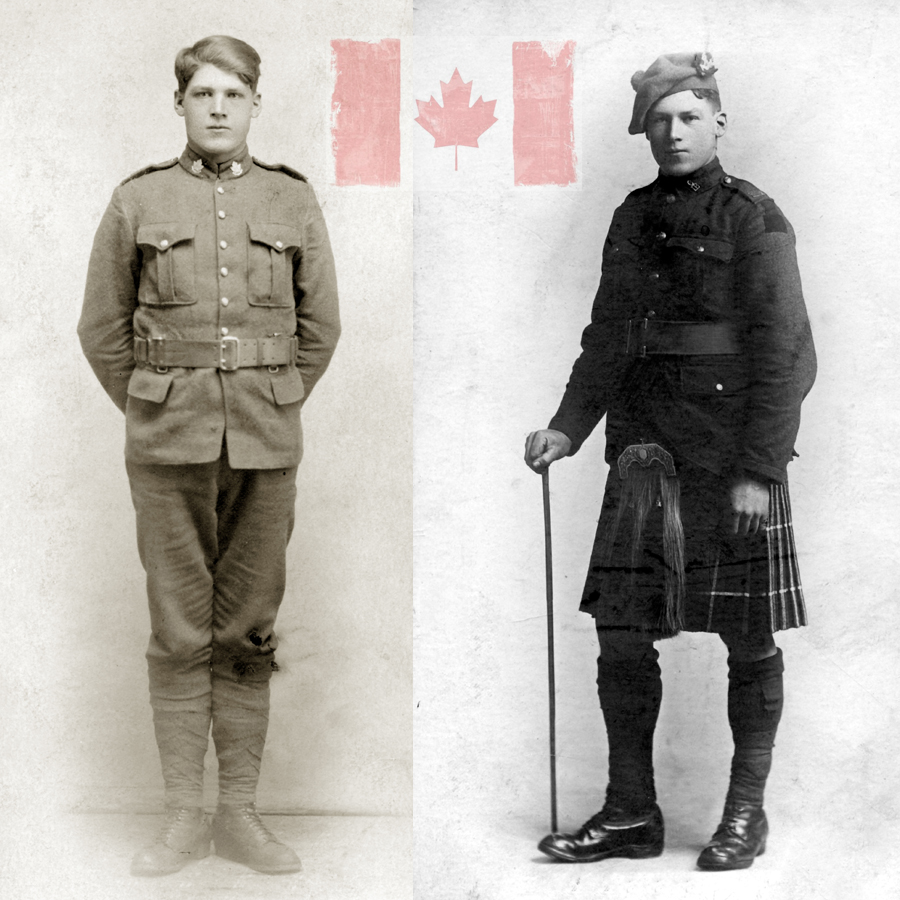
Art Miner in Uniform and Kilt - WW1
After the War
Returning from the war, he was granted a homestead in Manitoba's Interlake region through government programs. It was bad land, really, rocky and difficult to work, the homestead never panned out. With a failing farm and a growing family he moved to Winnipeg. He got a job in a meat packing plant, built a house, sold it, built another, sold that one too. Winnipeg was rapidly growing and needed the housing and he was on his way to building his life. In 1946, he bought a 60-acre farm just south of Winnipeg. He grew food, raised a family, and as he got older he slowly sold off parcels of that land, some by choice, but much of the land was expropriated by the government for a major highway project as Winnipeg continued its expansion in all directions.
The final five acres were bought by my father around 1972, I was about 8. That's where I grew up. I feel I had a pretty decent childhood on that property. There was a small river at the far end of the narrow 5 acre plot where I spent much of my time. I would go out alone and explore the river by canoe. I’d slowly glide down the muddy, silt laden water and watch the beavers busy at work making their homes or damns, or seeing turtles basking on a log, unbothered by my presence. This was my ‘environmental studies classroom’. In winter when the ice was solid on the river, we’d clear the snow and flood the area with water, making a perfect skating area. Some years the ‘rink’ would stretch nearly half a mile.
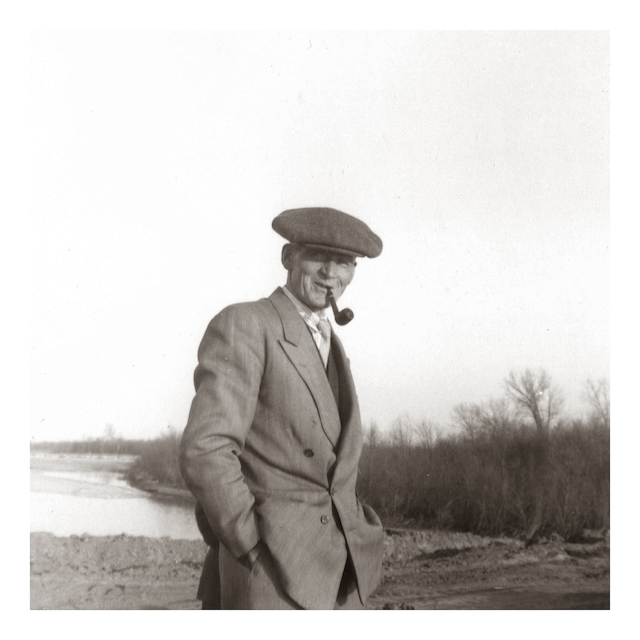
Art Miner approx 1957
My Childhood on that Land
When my grandparents still lived on that property, before my dad bought it, I’d sometimes spend the weekend. We’d walk around the large garden and he’d tap a very ripe tomato with his cane until it gently released from the vine, falling softly to the fertile Manitoba gumbo soil below. He’d say, “well, we can’t leave that there for the worms, now, can we?” He’d put it in the pocket of his well-worn sweater, along with an onion or two. We might even stop by the raspberry bushes for a few handfuls of those delectable morsels. Later that tomato and onion, along with some sharp cheese and some home made bread that my grandma made was our simple lunch. After lunch, a nap on the old swinging couch in the backyard was in order.
The End of Legacy
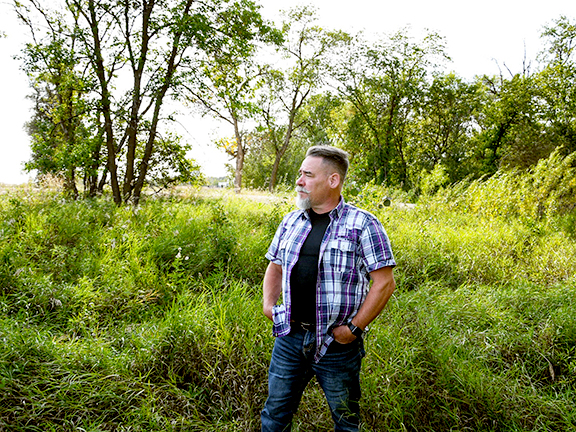
Visiting the 'Old Farm' in 2024. Only memories and stories remain, held fast by the old Oaks, Poplars and Willow trees.
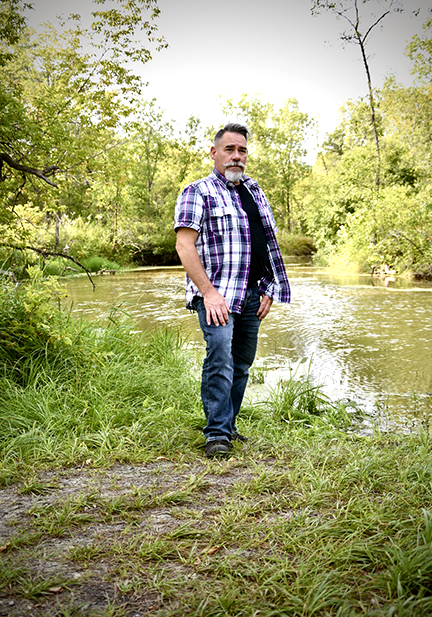
Me and the river that was part of my childhood playground
Eventually, even that last idyllic plot of land was taken, expropriated in 1993 for a highway overpass, and 32 years later it still hasn't been built, not even started. So much was lost for me with the loss of that place; family history, a sense of home, an identity, a legacy. Everything my grandfather ever worked towards seems to have vanished along with that last piece of property.
Wrestling With History
People often talk today about colonization, and rightfully so. Canada's formation is inseparable from the displacement and suffering of Indigenous peoples. But when I hear the word "colonizer", I wrestle with where my grandfather fits in, where I fit in. He didn't come to claim land or assert dominance. He was sent here, a child, poor and powerless, abused and betrayed by the people he was entrusted to. He was part of an empire he didn't ask to serve. His story, like so many others, sits at the messy intersection of privilege and oppression.
Unlearning and Moving Forward
And yet, I also have to be honest: there was racism in my immediate family growing up. It was sometimes subtle, sometimes overt, but always present and directed at everyone that looked ‘different’. Now, I'm not trying to excuse or justify their racism, but it wasn't that angry, hate filled racism we see today, it was more like a fear of the unknown, a lack of understanding of others’ lives and perspectives, what their cultures and traditions were. Just because 'they' were 'different' it didn't mean 'they' were anything less than anybody else.
I was only 11 when my grandfather died, so I don't remember his world views or those of my uncles and aunts. I don't know where those attitudes that lingered in my immediate family came from, I just knew they were there. Something in that attitude always made me uncomfortable, an uneasy a feeling I recognized, even as a child, as wrong. I didn’t realize or understand what it was or represented until I was older and out on my own.
The Road as a Classroom
I've had to unlearn many things from my childhood -- and I'm still unlearning. Luckily for me, that childhood self-awareness meant those attitudes never really took hold on me. Another thing that helped with my ‘unlearning’ was the fact that I became a long distance transport driver. I got away from those familial influences. In that role I was exposed to other areas of the country, I saw first-hand more diversity in the mosaic of what this country is. I can attest that travel is an amazing classroom. I highly recommend a trans-Canda trip for everyone. I've also had opportunities to travel to Canada's far north, Mexico and South East Asia a coupe of times. Nothing can open your eyes more than travel.
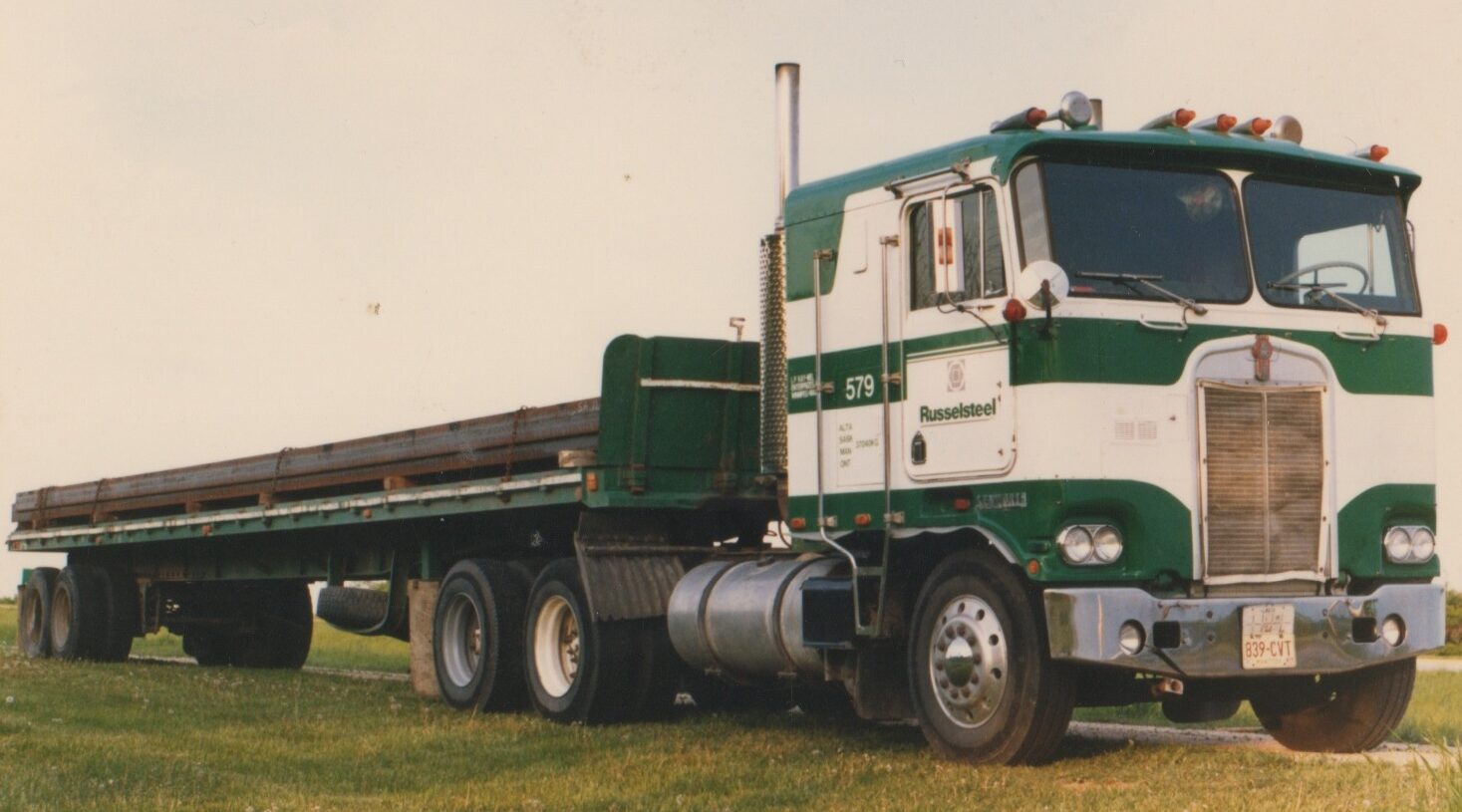
At 18 I hit the road and became a long distance truck driver
Photography and Personal Growth
Years later when I began my career as a photographer I had opportunities to meet people from many other diverse backgrounds and cultures. Those early experience opened my eyes even more and helped me grow in ways I hadn't expected, while my family was still mired in the muck of their homophobic, misogynistic, closed minded ways.
These people were not the 'monsters' I had been warned about by my family. They were loving, caring, individuals with emotions and feelings, goals and dreams just as any other person.
So what does being Canadian mean to me?
It means sitting with the complexity of personal and national histories. It means honouring the sacrifices and resilience of my family without ignoring the injustices woven into the foundation of this country, some inherited, some perpetuated. It means understanding that my roots in this place are deep, but they are not the first. And they are not the whole story.
Being Canadian, to me, is about learning to live with that tension with gratitude, accountability, and hope that we can keep growing into something better through connection, understanding, and patience.
The True North Portrait Project, Why Now?
With all the uncertainty, misinformation, disenfranchisement, divisiveness and anger in the world right now, my aim with 'True North: Portrait of a Nation' is to seek common ground, to start conversations that affirm our shared humanity, to bridge gaps in our understanding and dispel misinformation, to acknowledge difference while building community. I think that if we can truly, quietly, see each other, we can come together as a stronger nation.
A big undertaking, no question. Are you up for it? I think I am.
KM